Programme Outcomes (POs)
Engineering Graduates will be able to:
- Engineering knowledge: Apply the knowledge of mathematics, science, engineering fundamentals, and an engineering specialization to the solution of complex engineering problems.
- Problem analysis: Identify, formulate, review research literature, and analyze complex engineering problems reaching substantiated conclusions using first principles of mathematics, natural sciences, and engineering sciences.
- Design/development of solutions: Design solutions for complex engineering problems and design system components or processes that meet the specified needs with appropriate consideration for the public health and safety, and the cultural, societal, and environmental considerations.
- Conduct investigations of complex problems: Use research-based knowledge and research methods including design of experiments, analysis and interpretation of data, and synthesis of the information to provide valid conclusions.
- Modern tool usage: Create, select, and apply appropriate techniques, resources, and modern engineering and IT tools including prediction and modeling to complex engineering activities with an understanding of the limitations.
- The engineer and society: Apply reasoning informed by the contextual knowledge to assess societal, health, safety, legal and cultural issues and the consequent responsibilities relevant to the professional engineering practice.
- Environment and sustainability: Understand the impact of the professional engineering solutions in societal and environmental contexts, and demonstrate the knowledge of, and need for sustainable development.
- Ethics: Apply ethical principles and commit to professional ethics and responsibilities and norms of the engineering practice.
- Individual and team work: Function effectively as an individual, and as a member or leader in diverse teams, and in multidisciplinary settings.
- Communication: Communicate effectively on complex engineering activities with the engineering community and with society at large, such as, being able to comprehend and write effective reports and design documentation, make effective presentations, and give and receive clear instructions.
- Project management and finance: Demonstrate knowledge and understanding of the engineering and management principles and apply these to one’s own work, as a member and leader in a team, to manage projects and in multidisciplinary environments.
- Life-long learning: Recognize the need for, and have the preparation and ability to engage in independent and life-long learning in the broadest context of technological change.
Electronics & Communication Engineering:
Programme Educational Objectives (PEOs)
PEO 1. To prepare graduates with strong foundation in Engineering, Science and Technology for successful career choice in both public and private sectors in the field of electronics & communication engineering.
PEO 2. To prepare students to crack various state/national level competitive examinations like GATE,IES etc. and to prepare for higher studies or to become researcher or successful entrepreneurs in life.
PEO 3. To inculcate a sense of ethics, professionalism and effective communication skills amongst graduates.
Electronics & Instrumentation Engineering:
Programme Educational Objectives (PEOs)
PEO 1: Graduates will be able to solve complex engineering and real time problems by applying concepts of basic sciences, management and core engineering.
PEO 2: Our graduates would be successful in completing advance degrees at top-tier institutions and emerge as researchers.
PEO 3: Graduates will be able to serve the industry as a practicing engineer.
| Objective | |
|
|
Outcome-Based Education (OBE) is a student-centered, results-oriented educational framework that focuses on what learners are expected to know and be able to do after completing a program. Instead of emphasizing only content delivery, OBE emphasizes the achievement of clearly defined and measurable learning outcomes. In this approach, curriculum design, teaching strategies, and assessment methods are aligned with predefined outcomes such as Program Outcomes (POs), Program Educational Objectives (PEOs), and Course Outcomes (COs). This ensures that graduates develop the competencies and skills required by industry and society.
Key Principles of Outcome-Based Education
-
Clarity of Focus
Every lesson, activity, and assessment is designed with a clear objective so that students can achieve specific and well-defined learning outcomes. -
Designing Backward
The desired learning outcomes are identified first. Based on these outcomes, the curriculum, teaching methods, and assessment strategies are developed to ensure that students successfully achieve them. -
High Expectations for All
OBE assumes that all students are capable of achieving high levels of learning if they are provided with appropriate resources, support, and opportunities. -
Expanded Learning Opportunities
Students are given multiple opportunities and flexible learning methods to achieve the expected outcomes rather than following a single rigid approach.
Core Components of OBE
-
Program Educational Objectives (PEOs)
These are broad, long-term goals describing what graduates are expected to achieve a few years after completing the program. They usually relate to career growth, professional achievements, and contributions to society. -
Program Outcomes (POs)
These define the knowledge, skills, attitudes, and competencies that students should possess at the time of graduation. Program outcomes are often aligned with graduate attributes required by professional bodies and industries. -
Course Outcomes (COs)
Course outcomes are specific learning objectives defined for individual courses. They describe what students should be able to understand or perform at the end of a course and are directly mapped to program outcomes.
Advantages of OBE
-
Improved Relevance: Curriculum is regularly updated to meet industry requirements and stakeholder expectations.
-
Measurable Learning: Student achievement can be evaluated through assignments, projects, examinations, and outcome mapping.
-
Student-Centered Learning: The focus is on the development of student skills, knowledge, and competencies rather than only teaching content.
Implementation Process of OBE
-
PEOs, POs, COs.
-
Curriculum is aligned with these outcomes.
-
Applying appropriate teaching and learning methods.
-
Assessing student performance and analyzing assessment results using in-house evaluation tools.
|
|
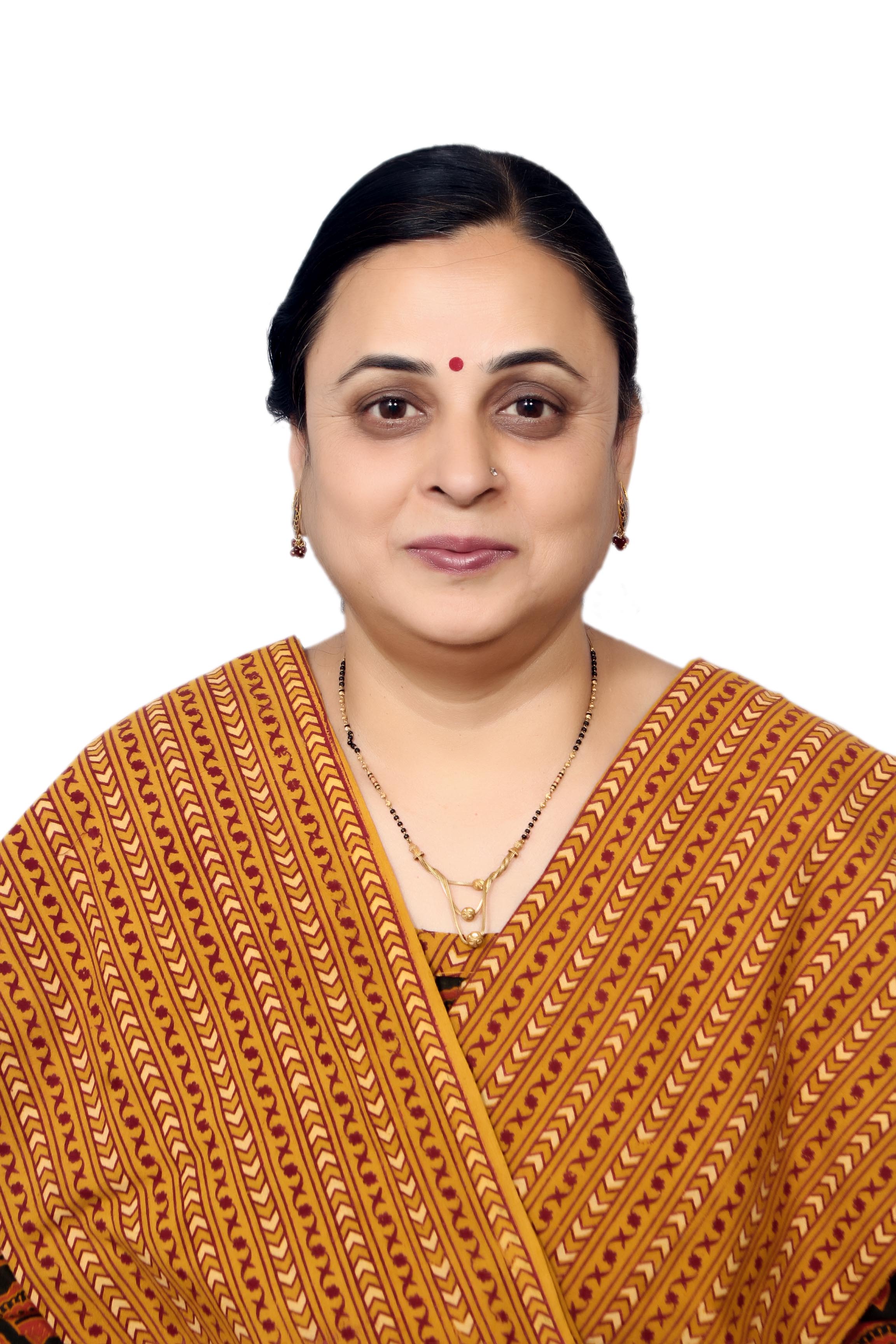
Smt. Rashmi PorwalDesignation- Computer ProgrammerQualification- M.Sc.(mathematics)Mobile- 9826296550E-mail ID-
|
 |
Shri Ajay Kumar GolaitDesignation- Technical AssistantQualification- M.Tech (DC)Mobile- 9826018536E-mail ID-
|
|
|
Shri Sanjay MuleyDesignation- Technical AssistantQualification- DCAMobile-9977079503E-mail ID-
|

 |
Shri Anuj UpadhyayDesignation- Technical AssistantQualification- DCAMobile-9993597413E-mail ID-
|
|
|
Smt. Vinita AhirwarDesignation-Lab TechnicianQualification- B. Sc.Mobile-9691431906E-mail ID-
|

|
|
Shri Gopilal RaikwarDesignation- PeonQualification-10thMobile-7770866992 |

 |
Shri Bhupendra Singh RajputDesignation- PeonQualification-8thMobile- 7000808067 |


